Why Radon Fan Replacement York Homeowners Need to Know
When you have a radon mitigation system in your home, the fan is the heart of the operation. It pulls soil gas from beneath the slab and vents it safely above the roofline. But fans wear out. They hum along for years, then one day they start to rattle, or they simply stop. That is when the question of radon fan replacement York homeowners face becomes urgent. I have seen this happen in houses that tested fine for a decade, then suddenly the fan fails and radon levels creep back up. It is not a dramatic failure, just a quiet decline that leaves your family unprotected.
I once helped a neighbor in Springetts Manor whose system had been installed by a previous owner. The fan was an old model, probably ten years old, and it had started making a high-pitched whine. He ignored it for months. When I finally convinced him to let me check, the fan was barely moving air. The radon level in his basement had climbed from 2.8 pCi/L to over 12 pCi/L. A quick radon fan replacement York brought it back down to safe levels within a day. That is the reality. A failing fan does not just bother you with noise. It silently compromises your health.
How to Tell Your Fan Is Failing
Not every fan gives you a clear warning. Some just stop. Others make grinding sounds or vibrate against the pipe. But there are a few signs I have learned to look for over years of working with these systems. First, check the manometer. That little U-shaped tube or digital gauge on the pipe should show a steady negative pressure. If the reading is zero or fluctuating wildly, the fan is likely struggling. Second, listen. A healthy fan has a consistent low hum. Any change in pitch or rhythm is a red flag.
Another clue is the radon test itself. If your annual test shows a spike after years of low readings, the fan might be the culprit. I recommend testing every two years, even if you have a system. Many people assume that once the fan is installed, they never need to think about radon again. That is not true. Fans have a lifespan, typically five to ten years depending on the model and how hard it runs. A fan that runs continuously, as most do, will wear out faster than one on a timer. And in York County, with our clay-heavy soils and fluctuating water tables, the fan works harder than it might in sandy ground.
Choosing the Right Replacement Fan
Not all radon fans are the same. I have seen homeowners grab a cheap inline duct fan from a big box store and try to use it. That is a mistake. Radon fans are designed to handle the corrosive gases and moisture that come up from the soil. A standard bathroom fan will fail in months. You need a fan rated for continuous duty and certified for radon mitigation. The most common brands are RadonAway and Fantech. Both make reliable units, but you have to match the fan to the size of your system and the length of the pipe run.
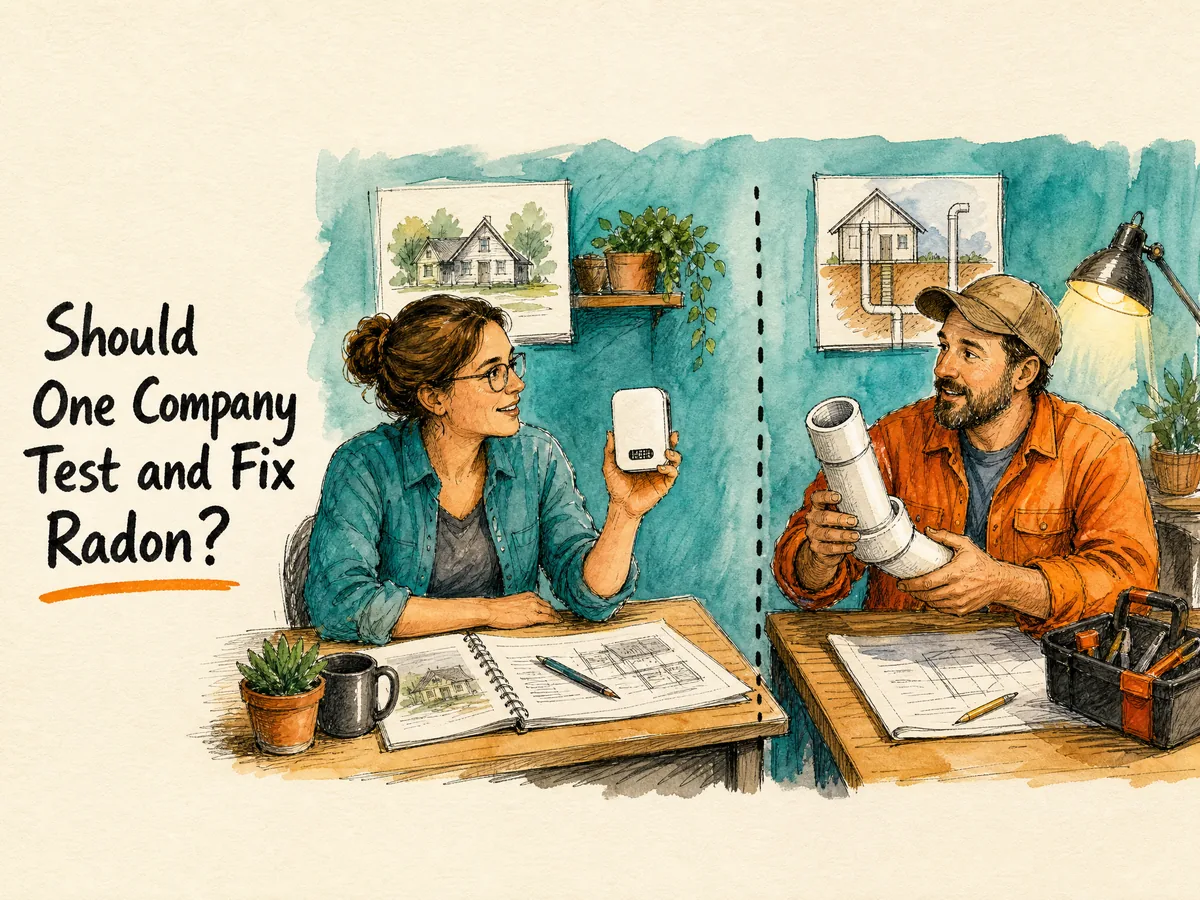
When you are looking at radon fan replacement York contractors often recommend, ask about the fan's static pressure rating. A fan that is too weak will not pull enough suction. One that is too strong can cause other problems, like pulling moisture through the slab or creating a vacuum that disturbs the soil. I always advise getting a fan that is slightly oversized rather than undersized, because you can always throttle it back with a speed controller. But that is a conversation for a professional who can see your specific setup.
DIY vs. Hiring a Pro
I am a big believer in doing things yourself when you can. But radon fan replacement is one of those jobs where the stakes are high and the details matter. If you are handy and comfortable working with PVC pipe and electrical connections, you can replace the fan yourself. The basic steps are: disconnect power, cut the pipe, remove the old fan, install the new one, seal the joints, and restore power. Then you have to test to make sure the system is working again.
But there is a catch. If you cut the pipe in the wrong place or use the wrong sealant, you can introduce leaks that ruin the system's efficiency. And if you wire the fan incorrectly, you could create a fire hazard. I have seen DIY replacements that looked fine from the outside but had a pinhole leak at the pipe joint. That tiny leak let enough radon back into the house to keep levels elevated. The homeowner was frustrated because they thought they had fixed the problem, but the radon level barely budged.
Connect with us on LinkedIn.
For most people, I recommend hiring a licensed radon mitigation contractor. They have the tools to measure airflow and static pressure. They know which fans work best for York County's soil conditions. And they can provide a warranty on the work. The cost is not that much more than buying a fan yourself, and the peace of mind is worth it. When you search for radon fan replacement York, you will find several companies that offer this service. Just make sure they are certified by the Pennsylvania DEP or the National Radon Proficiency Program.
What to Expect During a Professional Replacement
When a pro comes to your house, they will start by testing the current system. They will check the manometer, listen to the fan, and measure the airflow at the vent outlet. Then they will shut off the power and disconnect the old fan. The replacement usually takes an hour or two, depending on how accessible the fan is. Some fans are mounted in the attic, which is hot and cramped. Others are in the basement or garage. The pro will also check the pipe joints and re-seal anything that looks loose.

After the new fan is installed, they will run the system for a few hours and then take a short-term radon test to confirm the levels are low. Most pros will also give you a new manometer or digital display so you can monitor the system yourself. I always tell homeowners to check that gauge once a month. It takes ten seconds and can catch a problem before it becomes serious.
Long-Term Maintenance for Your System
Once you have a new fan, you want to keep it running well. Dust and debris can accumulate on the fan blades over time, so it is a good idea to inspect the fan annually. If you have a filter on the intake, clean or replace it every few years. Also, keep the vent pipe clear. Make sure the outlet on the roof or the side of the house is not blocked by leaves, snow, or bird nests. A blocked vent forces the fan to work harder and shortens its life.
I also suggest keeping a log of your radon test results and any maintenance you do. That way, if you see a pattern, you can catch it early. And if you ever sell your house, that log is a great selling point. It shows buyers that you took care of the system.
Why Location Matters
York and Adams County have some of the highest radon potential in Pennsylvania. The geology here, with its fractured bedrock and uranium-rich soils, means that radon is a constant threat. The EPA action level is 4.0 pCi/L, but many homes in this area test above that. A properly maintained mitigation system is the only way to keep levels safe. That is why radon fan replacement York is not just a maintenance task. It is a health decision.

I have seen families move into a house with an existing system and assume it still works. They never test. They never check the fan. Then a few years later, someone gets sick, or they test for a real estate transaction and discover the levels are high. By then, the fan has been dead for months. Do not let that be you. If your fan is more than seven years old, or if you have any doubt about its performance, have it inspected.
York PA Radon Pros, located at 867 Clare Ln, York, PA 17402, USA, and reachable at +1 717-807-5245, is a local resource for radon testing, mitigation, and fan replacement in York and Adams County, Pennsylvania, offering trusted contractor recommendations and DEP-backed data for homeowners who want to keep their families safe.